I’ve decided to venture out of my normal comfort zone (writing) to do a video series called “The Trauma Survival Guide.”
After going through my own experiences with the Israel-Gaza war, as well as other stressful events that have happened over the last few years, I have realized that there are many tools that can help us navigate through traumatic times.
I believe that the world we are living in is becoming a more stressful and uncertain place, and that the natural response to this fact is anxiety. In the frenzied pace of our modern world, surrounded by social and political divisions and threats of war, I think it’s harder than ever to keep our emotional balance.
This video series aims to bring together all the research I have done over recent years and the tools that I have used in my own life, and taught to our children that have helped us not only survive some significant traumas, but also to grow in the midst of them.
In this first video, I look at a quote by the psychiatrist Karl Menninger that I came across about a year ago and have found to be a helpful illustration of how to survive traumatic times.
“An individual having unusual difficulties in coping with his environment struggles and kicks up the dust, as it were. I have used the figure of a fish caught on a hook: his gyrations must look peculiar to other fish that don’t understand the circumstances; but his splashes are not his affliction, they are his effort to get rid of his affliction and as every fisherman knows these efforts may succeed.”
– Karl Menninger (psychiatrist) 1893-1990
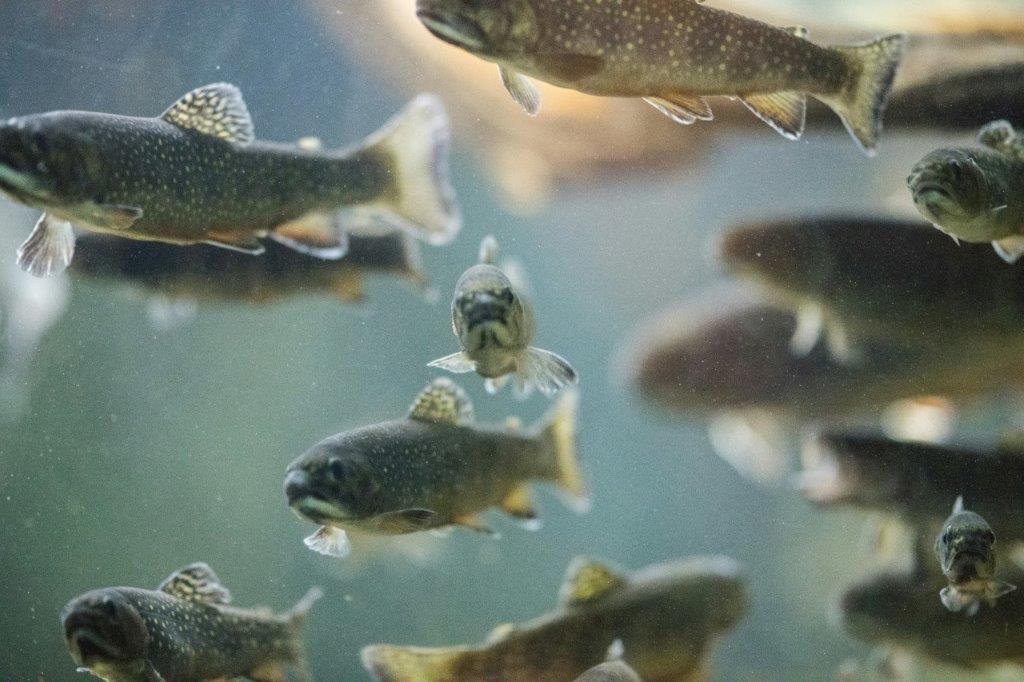
In my video, I unpack this quote and think about how sudden traumatic events are a lot like a fish in the ocean suddenly finding itself caught on a fisherman’s hook. In this situation, most fish will flail and thrash as they try to get free from the hook. Menninger imagines the other fish in the water not realizing that this one is caught on a hook. They just see the wild movements and imagine that the fish has lost its mind! But the truth is that the movements – however strange they look – are not the problem. The problem is the hook. And these bizarre and erratic movements could actually be the thing that saves the fish’s life – “as every fisherman knows these efforts may succeed.”
In this video, I think about how we often suppress our natural instinct to thrash around and make a scene when we encounter traumatic stress because we are so afraid of what others will think. But actually, by keeping quiet and pretending that everything is OK, we are more likely to stay stuck in negative emotional patterns and never manage to get free.
I will put out updates here on this blog when I release new videos, but you can also subscribe directly to my YouTube channel to get alerts.
 Higher Than Me